
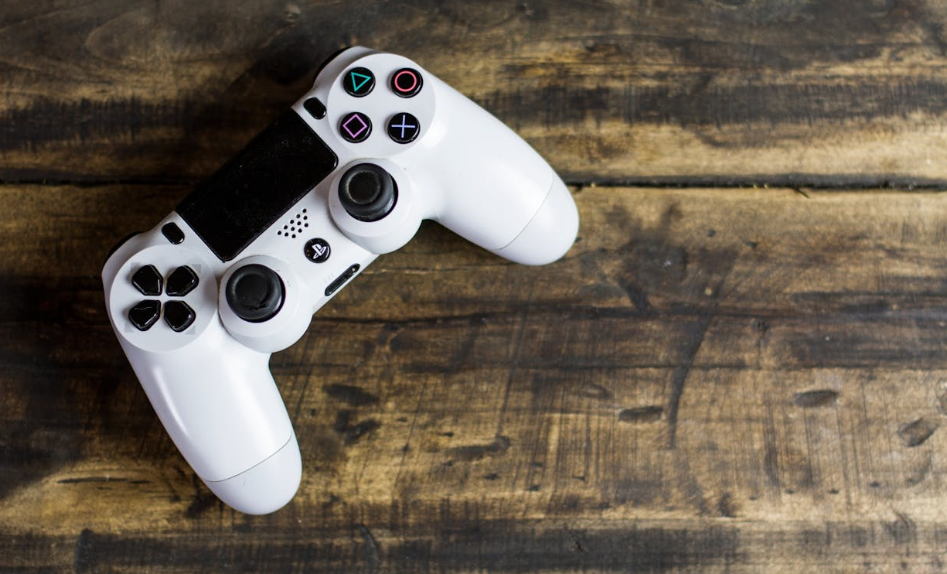
When most people think of video games, they might imagine teenagers glued to screens in dark rooms, or perhaps casual mobile games played during a commute. But there’s another world of gaming that’s rapidly gaining recognition: competitive eSports. This multi-billion dollar industry isn’t just about entertainment; it’s a high-pressure environment where players face challenges that can offer valuable lessons in mental resilience.
The Rise of eSports
eSports has exploded in popularity over the past decade. What once was a niche hobby has transformed into a global phenomenon, with professional players competing for million-dollar prize pools in front of massive online and in-person audiences. Games like League of Legends, Dota 2, and Counter-Strike: Global Offensive have become household names, with tournaments drawing viewership that rivals traditional sports events.
But beneath the glitz and glamour of big tournaments and lucrative sponsorships lies a world of intense pressure, grueling practice schedules, and mental challenges that would give many traditional athletes a run for their money. It’s in this pressure cooker environment that eSports players have developed strategies for mental resilience that we can all learn from.
The Mental Game
At the highest levels of competitive gaming, the difference between victory and defeat often comes down to mental fortitude. Physical skills are important, of course – pro gamers need lightning-fast reflexes and impeccable hand-eye coordination. But when everyone at the top has honed these skills to near perfection, it’s mental resilience that separates the champions from the rest.
Consider the nature of competitive gaming. Players often compete in marathon sessions lasting hours, requiring intense focus and quick decision-making throughout. A single mistake can cost a match, and the margins for error are razor-thin. Add to this the pressure of performing in front of millions of viewers, the constant scrutiny of fans and critics on social media, and the knowledge that your career might hinge on your next performance.
It’s a recipe for intense stress, and yet, the best players manage to thrive in this environment. So what can we learn from them?
Lesson 1: Embracing Failure as a Learning Opportunity
In the world of eSports, failure is not just common – it’s inevitable. Even the best players lose matches, make mistakes, and have bad days. What sets the pros apart is how they handle these setbacks.
Rather than seeing failure as a reflection of their worth or abilities, top gamers view it as a crucial part of the learning process. They analyze their mistakes, study their losses, and use this information to improve their gameplay. This mindset shift – from viewing failure as a setback to seeing it as a stepping stone – is a powerful tool for building resilience.
In our own lives, we can apply this lesson by reframing our perspective on failure. Instead of beating ourselves up over mistakes, we can ask, “What can I learn from this? How can I use this experience to grow?” This approach not only helps us bounce back from setbacks but can also reduce the fear of failure that often holds us back from taking risks and pursuing our goals.
Lesson 2: The Power of Deliberate Practice
eSports players don’t become champions by simply playing games all day. They engage in what psychologists call “deliberate practice” – focused, intentional efforts to improve specific aspects of their performance.
This might involve spending hours perfecting a particular move, studying replays of their matches to identify weaknesses, or working with coaches to develop new strategies. It’s not always fun – in fact, deliberate practice can be grueling and repetitive. But it’s this dedication to improvement that allows players to consistently perform at high levels.
In our daily lives, we can apply this principle by identifying areas where we want to improve and creating structured plans to work on these skills. Whether it’s in our careers, relationships, or personal growth, the concept of deliberate practice reminds us that meaningful improvement comes from focused effort, not just going through the motions.
Lesson 3: Mindfulness and Mental Reset
In the heat of a competitive match, emotions can run high. A bad play or an unexpected setback can easily throw a player off their game. That’s why many pro gamers have developed techniques for quickly resetting their mental state.
Some use breathing exercises between matches to calm their nerves. Others have specific routines or mantras they use to refocus their attention. The key is the ability to let go of past mistakes and stay present in the moment – a skill that’s crucial not just in gaming, but in any high-pressure situation.
This practice of mindfulness – staying present and avoiding getting caught up in negative thoughts about the past or anxieties about the future – is a powerful tool for managing stress and maintaining mental clarity. It’s a skill we can all benefit from, whether we’re facing a difficult work presentation, a challenging personal conversation, or just trying to navigate the everyday stresses of life.
Lesson 4: The Importance of Team Dynamics
While some eSports games are solo affairs, many of the most popular titles are team-based. In these games, success isn’t just about individual skill – it’s about how well the team works together.
Top eSports teams spend as much time working on their communication and teamwork as they do on their individual skills. They learn to trust each other, to give and receive constructive feedback, and to put the team’s success above personal glory.
This emphasis on teamwork offers valuable lessons for our professional and personal lives. It reminds us of the importance of clear communication, the value of diverse perspectives, and the power of working towards a common goal. Whether in a work environment or in our personal relationships, these skills can help us build stronger, more resilient connections.
Lesson 5: Balancing Intensity with Self-Care
The life of a pro gamer might seem glamorous, but it’s also incredibly demanding. Many players practice for 12-14 hours a day, which can lead to burnout, physical health issues, and mental exhaustion.
Recognizing these risks, many eSports organizations now emphasize the importance of self-care. Teams employ nutritionists, fitness trainers, and mental health professionals to help players maintain their wellbeing. Players are encouraged to maintain a balanced diet, get regular exercise, and engage in activities outside of gaming to prevent burnout.
This holistic approach to performance is a crucial lesson for anyone dealing with high-stress situations. It reminds us that resilience isn’t just about pushing through difficulties – it’s also about taking care of ourselves so we have the resources to face challenges head-on.
Bringing It All Together
The world of competitive gaming might seem far removed from our daily lives, but the mental challenges these players face and overcome offer valuable lessons in resilience that we can all apply.
By reframing our relationship with failure, engaging in deliberate practice to improve our skills, cultivating mindfulness, prioritizing teamwork, and balancing intensity with self-care, we can build our own mental resilience. These strategies can help us navigate the challenges of our personal and professional lives with greater ease and effectiveness.
Moreover, the rise of eSports challenges our preconceptions about video games and mental health. While excessive gaming can certainly be problematic, the strategies developed by pro gamers demonstrate that, when approached mindfully, gaming can be a vehicle for developing important mental skills.
As our world becomes increasingly digital and fast-paced, the lessons from eSports become ever more relevant. By embracing these insights, we can level up our own mental game, building the resilience we need to thrive in whatever challenges life throws our way.
So the next time you see a professional gamer in action, remember: behind the fast reflexes and flashy plays lies a wealth of mental strategies that we can all learn from. In the game of life, we’re all players – and with the right mindset, we can all become champions of our own resilience.
Check out some insightful blogs from our website that can further enhance your journey of self-discovery and personal growth:
-
- The Psychology of Decluttering: How Tidying Up Can Boost Your Mental
- Digital Detox vs. Healthy Tech Use: Finding Balance in the Modern World
- Mindfulness in the Great Outdoors: Exploring Nature’s Therapeutic Benefits for Mental Health