
Have you ever noticed how a whiff of freshly baked cookies can instantly transport you back to your childhood, or how the scent of lavender can make you feel more relaxed? These experiences aren’t just coincidences – they’re a testament to the powerful connection between our sense of smell and our emotions. This connection forms the basis of aromatherapy, a practice that’s gaining increasing attention in the field of mental health treatment.
The Science of Scent
Before we dive into the therapeutic applications of aromatherapy, let’s take a moment to understand how our sense of smell works. Unlike our other senses, smell is directly connected to the limbic system – the part of our brain that processes emotions and memories. When we inhale a scent, the olfactory receptors in our nose send signals directly to the limbic system, including the amygdala and hippocampus, regions involved in emotion and memory.
This direct line to our emotional center explains why scents can have such an immediate and powerful effect on our mood. It’s not just about whether we like or dislike a smell; it’s about the emotions and memories that smell evokes. This unique characteristic of our olfactory system is what makes aromatherapy a potentially powerful tool in mental health treatment.
What is Aromatherapy?
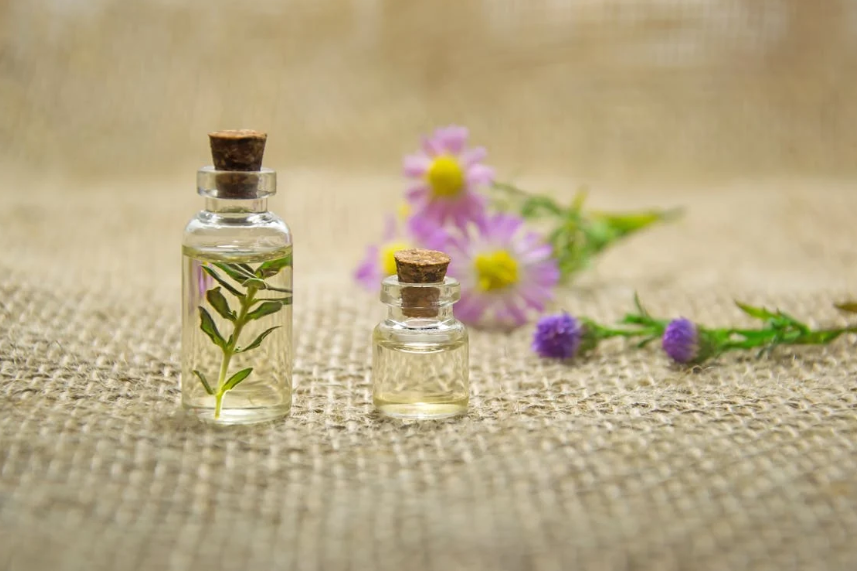
Aromatherapy is the practice of using essential oils – concentrated plant extracts – for therapeutic benefit. These oils can be inhaled, applied to the skin when diluted or used in diffusers to scent a room. While aromatherapy has roots in ancient practices, it’s gained renewed interest in recent years as a complementary approach to mental health treatment.
The idea behind aromatherapy is simple: by exposing ourselves to certain scents, we can influence our mood and mental state. Different essential oils are believed to have different effects. For example, lavender is often used for relaxation, peppermint for increased alertness, and citrus scents for mood elevation.
Aromatherapy in Mental Health Treatment
So how exactly is aromatherapy being used in mental health treatment? While it’s important to note that aromatherapy is generally considered a complementary therapy – meaning it’s used alongside, not in place of, traditional treatments – there’s growing evidence of its potential benefits for various mental health conditions.
Anxiety and Stress
One of the most common applications of aromatherapy in mental health is for anxiety and stress relief. Numerous studies have explored the calming effects of certain essential oils, particularly lavender. A 2017 study published in the journal Frontiers in Behavioral Neuroscience found that linalool, a compound found in lavender, had an anti-anxiety effect in mice. Human studies have also shown promising results, with lavender aromatherapy reducing anxiety in dental patients and individuals undergoing medical procedures.
Other scents associated with stress relief include bergamot, ylang-ylang, and chamomile. These oils are often used in relaxation techniques, meditation practices, or as part of a bedtime routine to promote better sleep – an important factor in managing stress and anxiety.
Depression
While the research is still in its early stages, some studies suggest that aromatherapy might have a role to play in managing symptoms of depression. A 2016 study published in the Journal of Alternative and Complementary Medicine found that citrus and lavender aromatherapy reduced symptoms of depression in postpartum women.
Essential oils believed to have mood-boosting properties include citrus oils like lemon and orange, as well as jasmine and clary sage. The theory is that these scents can stimulate the production of serotonin and dopamine, neurotransmitters associated with happiness and well-being.
Sleep Disorders
Given the close relationship between mental health and sleep, it’s worth noting the potential benefits of aromatherapy for sleep disorders. Lavender, once again, takes center stage here. A 2015 study in the Journal of Alternative and Complementary Medicine found that lavender oil aromatherapy improved sleep quality in college students with self-reported sleep issues.
Other oils often used to promote sleep include chamomile, valerian, and cedarwood. These are frequently incorporated into bedtime routines, either through diffusers, pillow sprays, or diluted applications to the skin.
Cognitive Function
Some research suggests that certain scents might enhance cognitive function, which could be beneficial for individuals dealing with conditions like dementia or those experiencing cognitive symptoms as part of other mental health disorders. Rosemary, in particular, has been associated with improved memory and increased alertness. A 2013 study published in Therapeutic Advances in Psychopharmacology found that the aroma of rosemary oil increased speed and accuracy in cognitive tasks.
The Mechanism of Action
While the exact mechanisms by which aromatherapy affects our mental state are still being studied, there are a few theories. One is that the scents stimulate the production of certain neurotransmitters, influencing our mood and cognitive function. Another theory suggests that the oils themselves have pharmacological properties that, when inhaled or absorbed through the skin, can affect our body systems.
It’s also worth considering the psychological aspect. The act of engaging in aromatherapy – taking time to inhale a pleasant scent, incorporate it into a relaxation routine, or massage diluted oils into the skin – can itself be a form of self-care that promotes well-being.
Implementing Aromatherapy in Mental Health Treatment
So how might aromatherapy be incorporated into mental health treatment? It’s important to note that aromatherapy is typically used as a complementary therapy, not a standalone treatment for mental health conditions. Here are a few ways it might be implemented:
- As part of therapy sessions: Some therapists might use diffusers in their offices to create a calming atmosphere, or incorporate scent as part of relaxation exercises.
- In mindfulness practices: Aromatherapy can be combined with mindfulness meditation, helping individuals focus on the present moment through their sense of smell.
- In-home routines: Patients might be encouraged to incorporate aromatherapy into their daily routines, such as using lavender oil before bed to promote better sleep.
- In inpatient settings: Some mental health facilities are exploring the use of aromatherapy in common areas or as part of group therapy sessions.
Considerations and Cautions
While aromatherapy shows promise as a complementary approach to mental health treatment, it’s important to approach it with caution. Essential oils are potent substances and can cause skin irritation or allergic reactions in some individuals. They should always be diluted properly before applying to the skin, and some oils may not be suitable for certain individuals, such as pregnant women or people with specific health conditions.
Moreover, the quality of essential oils can vary greatly. It’s important to source oils from reputable suppliers and to be wary of marketing claims that seem too good to be true.
Finally, while aromatherapy can be a helpful addition to a mental health treatment plan, it should not be seen as a replacement for professional medical advice or treatment. Anyone experiencing mental health issues should consult with a qualified healthcare provider.
The Future of Aromatherapy in Mental Health
As research in this field continues to grow, we may see aromatherapy playing an increasingly recognized role in mental health treatment. Future studies may help us better understand which scents are most effective for specific conditions, optimal methods of delivery, and how aromatherapy can best be integrated with other forms of treatment.
The growing interest in holistic and integrative approaches to mental health suggests that practices like aromatherapy may become more mainstream in the coming years. As we continue to explore the intricate connections between our senses, our brains, and our mental well-being, the simple act of inhaling a pleasant scent might prove to be a powerful tool in our mental health toolkit.
In conclusion, while aromatherapy shouldn’t be viewed as a cure-all, its potential benefits for mental health are intriguing and worthy of further exploration. By harnessing the power of scent, we may be able to offer individuals struggling with mental health issues another avenue for relief and support. After all, sometimes the key to feeling better might be right under our nose.
Check out some insightful blogs from our website that can further enhance your journey of self-discovery and personal growth:
-
- Mental Health Lessons from Competitive Gaming: What eSports Can Teach Us About Resilience
- The Psychology of Decluttering: How Tidying Up Can Boost Your Mental Health
- Digital Detox vs. Healthy Tech Use: Finding Balance in the Modern World